
 Back to Results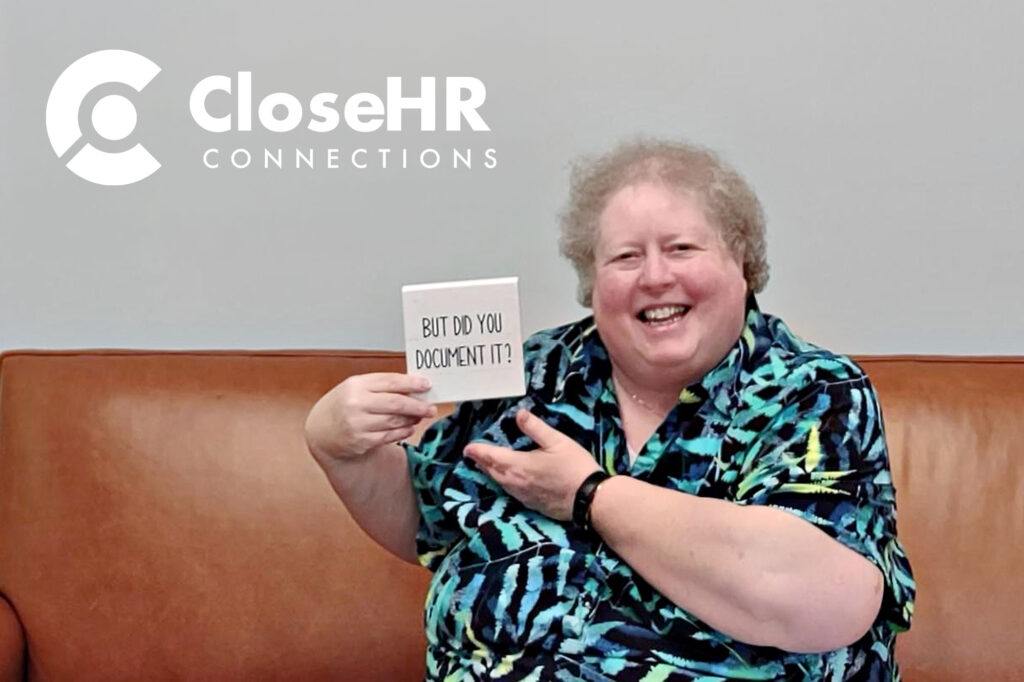
The phone rang at 4:59 on a Friday afternoon. In HR, those “4:59 calls” happen fairly often.
The caller was frustrated with a long-term employee who had been having ongoing performance and behavior issues. They had reached their limit and wanted to terminate the employee first thing Monday morning.
Before discussing termination, though, I had a few questions:
- When did the issues begin?
- When was the last time the manager talked with the employee about them?
- Were similar issues being handled consistently with other employees?
- Had the conversations and concerns been documented?
The answer to the last question was no. And that changes the conversation.
Terminating an employee is never easy, but in most performance or behavior situations, it should not come as a surprise. Managers need to address concerns when they arise, explain what needs to change, give the employee an opportunity to improve, and document the process along the way. This also is the best way to protect the entity should the employee take any legal action against the organization.
Start with clear documentation
Good documentation should explain what happened, when it happened, what expectation was not met, and what needs to change. Avoid vague statements such as “has a bad attitude.” Instead, document the specific behavior, when it occurred, how it affected the workplace, and what expectation was communicated.
If a decision is questioned later, the record should show that the concern was addressed, expectations were communicated, and the employee had an opportunity to respond and improve.
Managers must own the process
Performance management cannot belong to HR alone. HR can advise, coach, and help ensure the process is handled fairly and consistently. But the manager works directly with the employee, observes the performance or behavior, and sets expectations.
Managers should not wait until frustration has built to the point that termination feels like the only option. Concerns should be addressed as they happen. That means having the difficult conversation, listening to the employee’s response, explaining what needs to change, and documenting what was discussed.
Document from the beginning
When an issue first arises, verbal counseling may be appropriate. The conversation should be private, respectful, and specific. Explain the concern, why it matters, and what improvement is needed. And even verbal counseling should be documented with a brief note that includes the date, issue discussed, employee response, expectations, and next steps.
If the problem continues, written counseling may be necessary. A written warning should reference prior conversations, clearly describe the ongoing concern, explain what improvement is required, and outline the consequences if improvement does not occur. The goal is to make sure the employee understands the seriousness of the situation and has a reasonable opportunity to correct it.
When termination becomes necessary
If concerns continue after counseling, clear expectations, feedback, and opportunities to improve, termination may become appropriate. That decision should be based on the facts and documented history, not on frustration in the moment.
A manager who has handled the process well should be able to explain the decision using specific examples, previous conversations, and clearly communicated expectations.
Final Thoughts
No one enjoys terminating an employee. But managers must own the process from the first conversation through the final decision, with HR there to provide guidance and support. Good communication, timely feedback, and consistent documentation make a difficult process clearer and fairer for everyone involved.
* * *
Close HR partners with leaders to provide practical HR and business expertise across the full spectrum of people and workplace needs.